
Bildtitel
Anna Grisebach © Tanja Dorendorf / T+T Fotografie
Button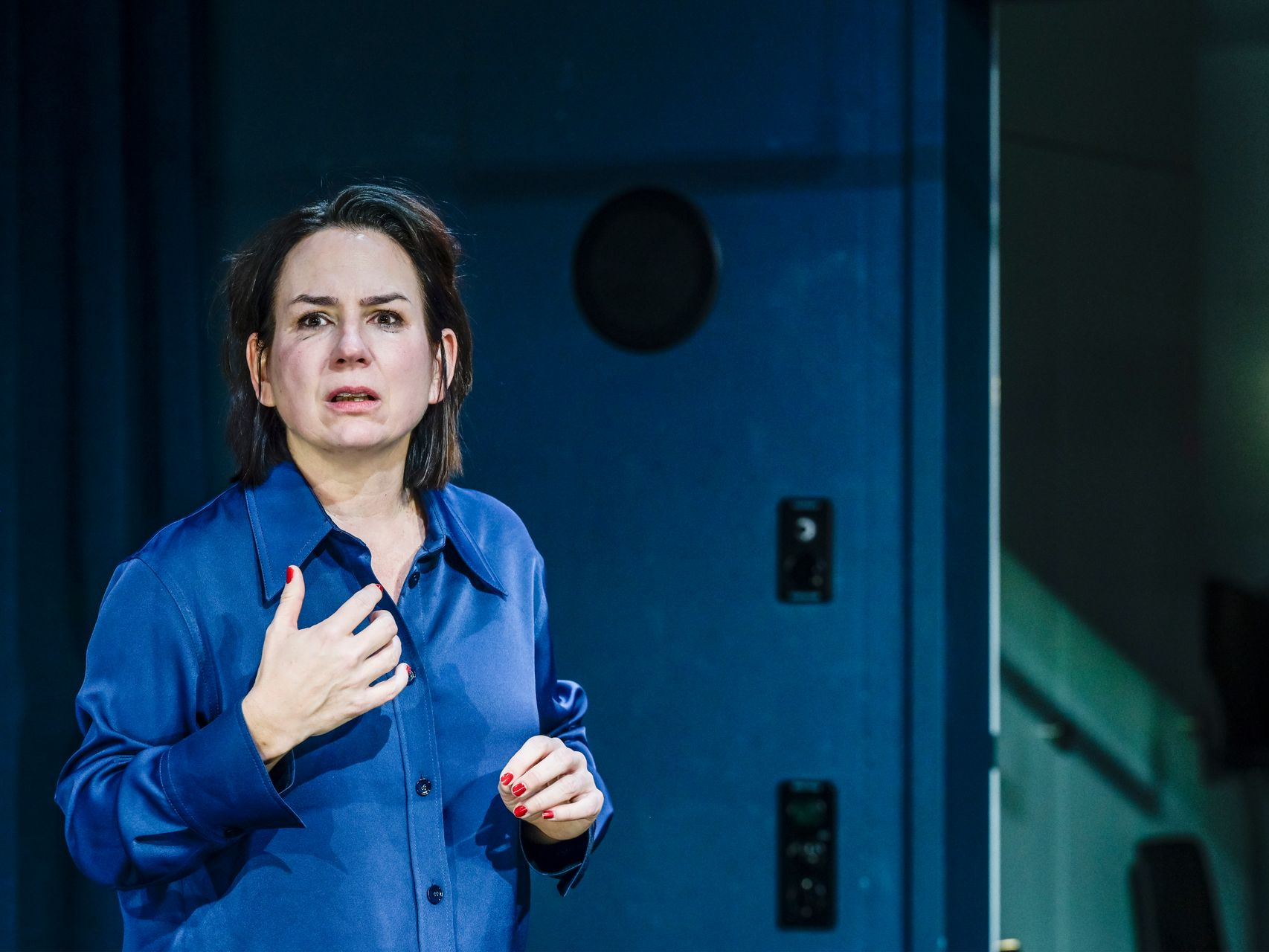
Bildtitel
Anna Grisebach © Tanja Dorendorf / T+T Fotografie
Button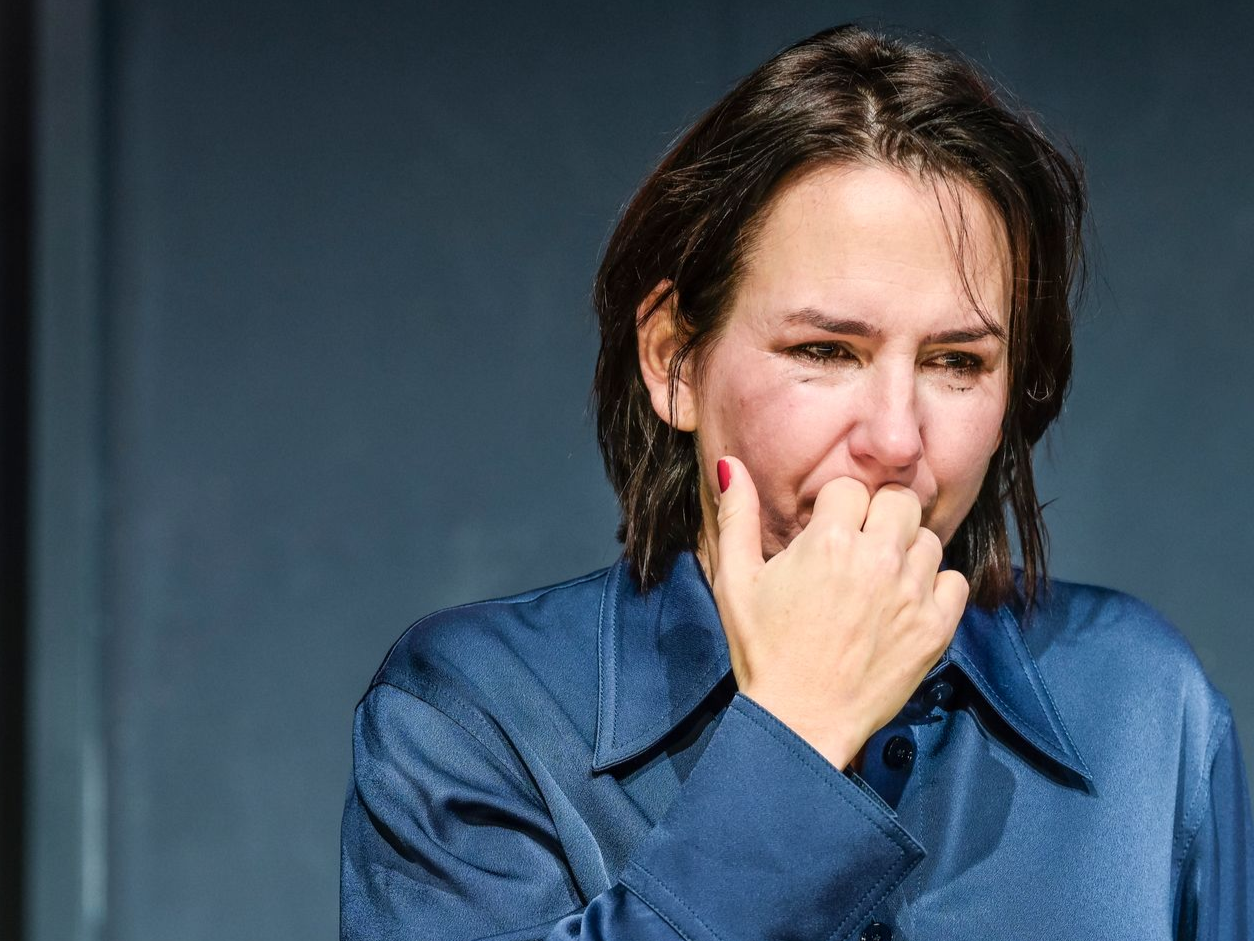
Bildtitel
Anna Grisebach © Tanja Dorendorf / T+T Fotografie
Button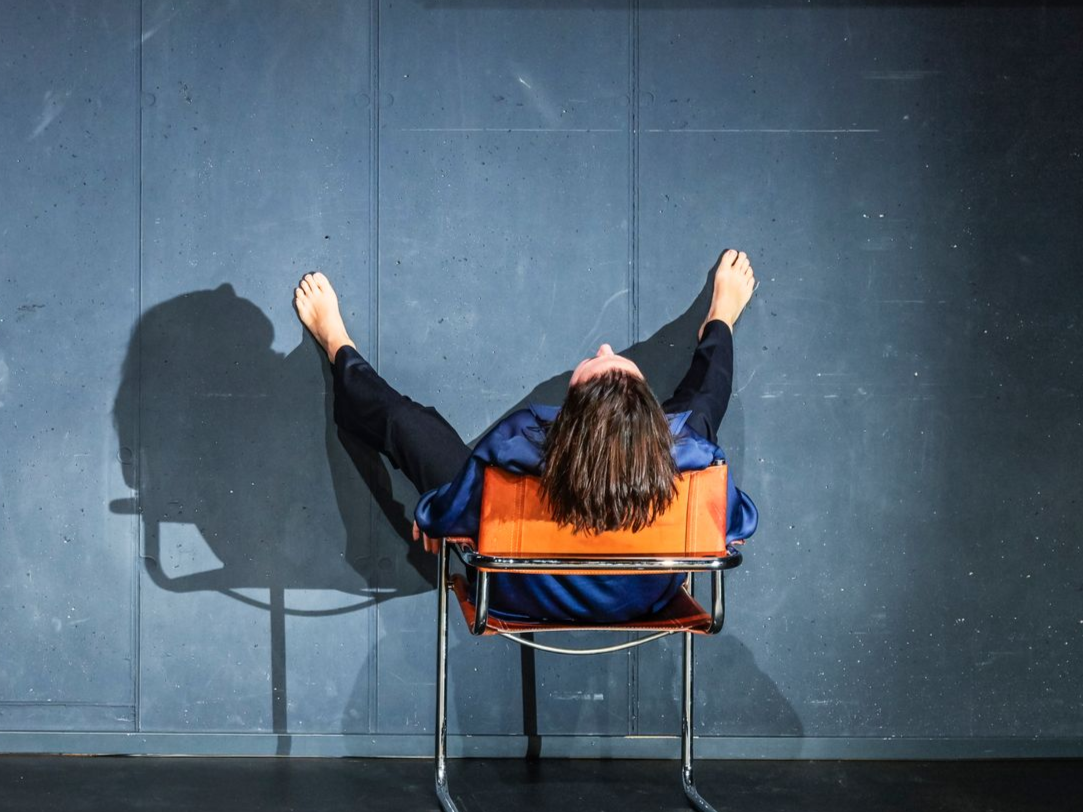
Bildtitel
Anna Grisebach © Tanja Dorendorf / T+T Fotografie
Button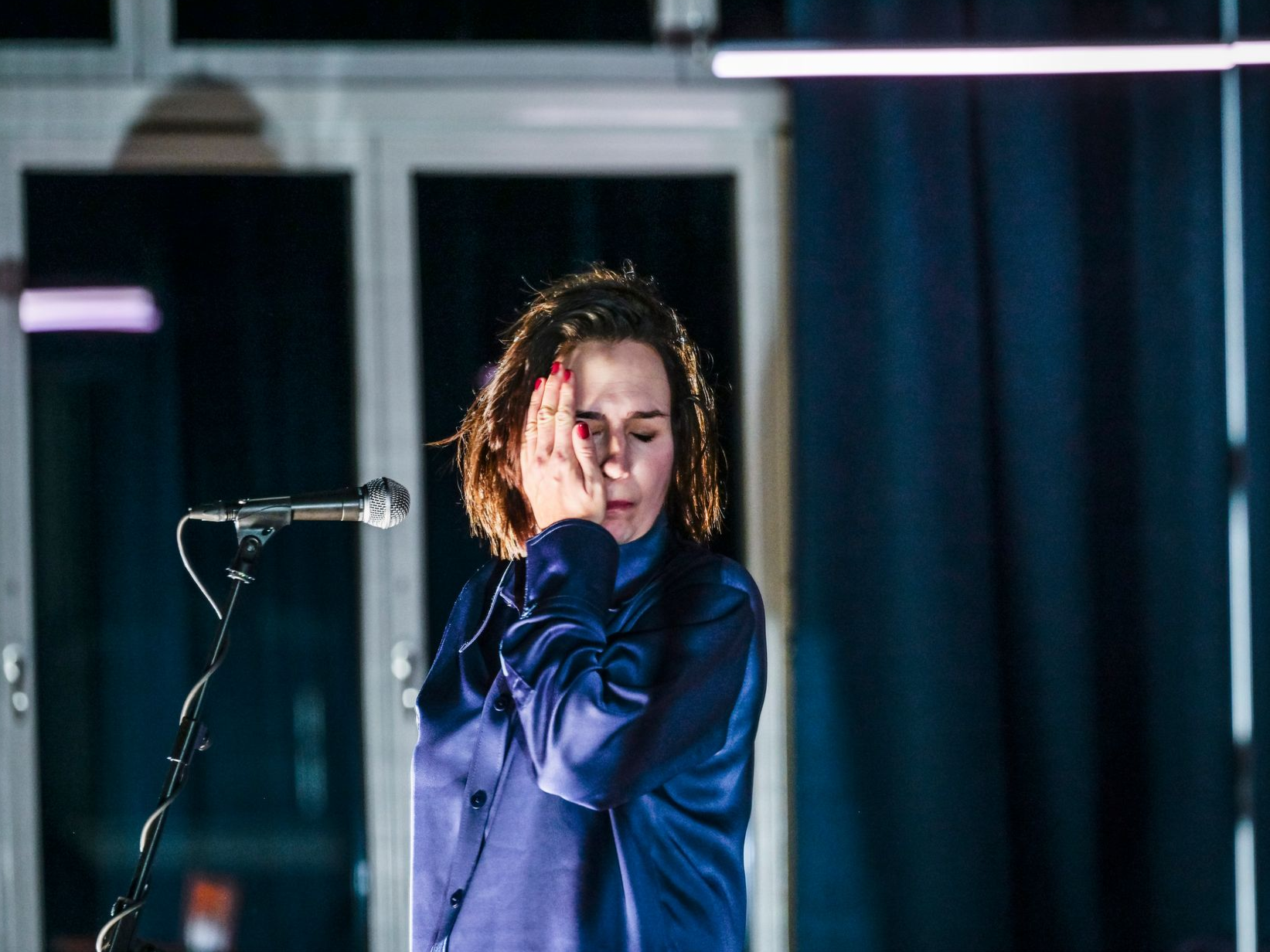
Bildtitel
Anna Grisebach © Tanja Dorendorf / T+T Fotografie
Button-
Bildtitel
Anna Grisebach © Tanja Dorendorf / T+T Fotografie
Button
Prima Facie
Miller – Hemmerle – Grisebach
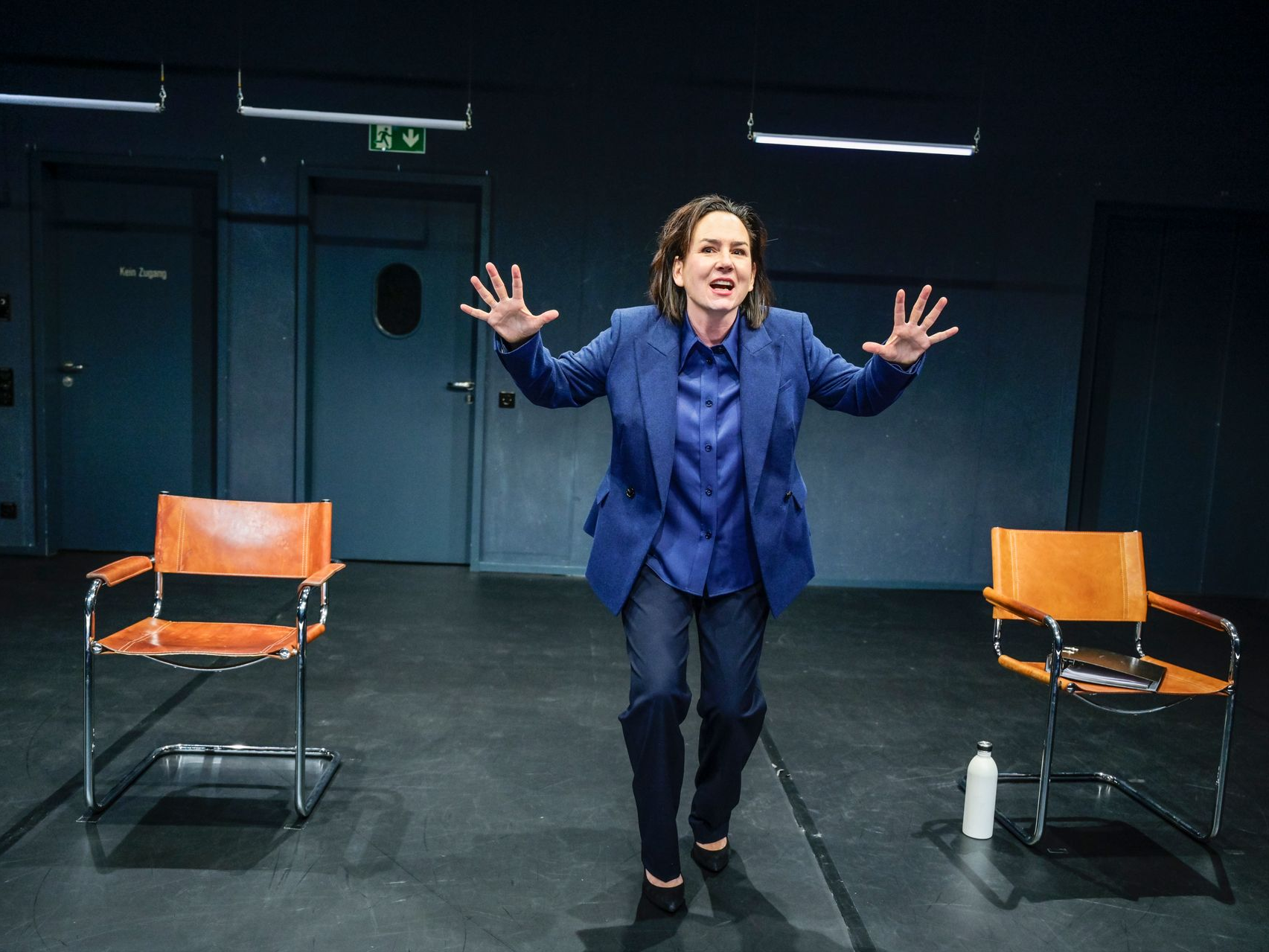
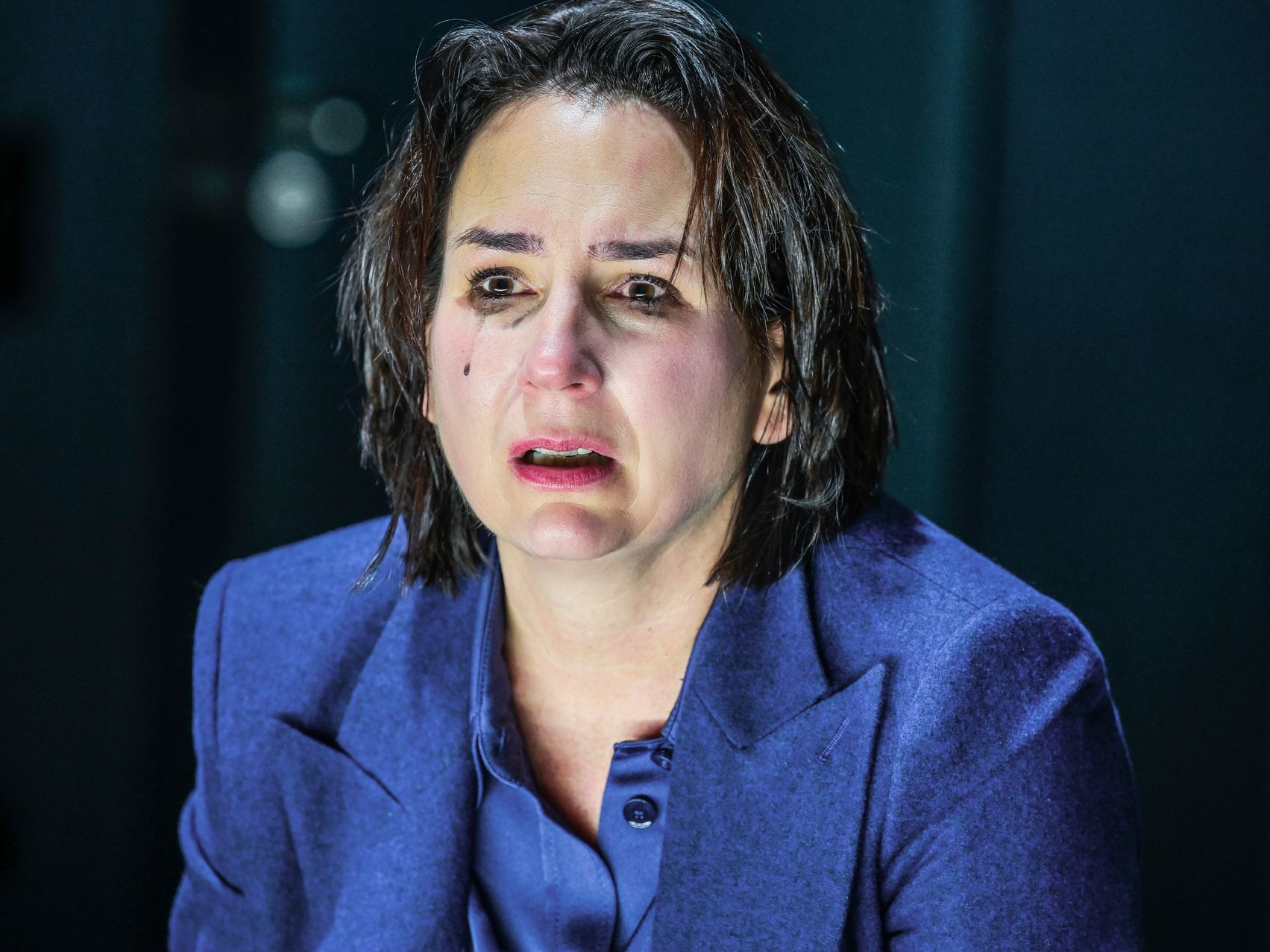
Tessa Ensler ist eine knallharte Strafverteidigerin. Sie hat geschafft, was die wenigsten ihr zugetraut hätten: den Weg aus einem Milieu ohne Privilegien an die Eliteuni und dann in die Topkanzlei. Ihre Königsdisziplin ist die Verteidigung in Fällen sexueller Übergriffe. Ist ihre Freispruchrate so hoch, weil sie eine Frau ist, wie böse Zungen meinen? Oder weil sie so gut Lücken und Widersprüche in den Aussagen der weiblichen Opfer aufspürt? Doch ihre Überzeugungen werden erschüttert, als sie selbst vergewaltigt wird. Als sie Anzeige erstattet, ist ihr klar, dass die Anscheins- oder Prima-facie-Beweise nicht für sie sprechen – aber es geht ihr nicht nur um persönliche Gerechtigkeit, sondern auch um die Abrechnung mit einem von Männern geschaffenen Justizsystem, an das sie ihr Leben lang geglaubt hat.
Die australische Autorin Suzie Miller arbeitete viele Jahre selbst als Strafverteidigerin – und zwar im Menschenrechtssektor. Ihr Stück "Prima Facie" wurde 2020 mit dem Olivier Award, der höchsten Auszeichnung im britischen Theater ausgezeichnet. Anna Grisebach verkörpert intensiv in diesem furiosen Monodrama die Figur der Tessa, die Stück für Stück ihre Lebensgeschichte erzählt und alle auftauchenden Figuren gleich mitspielt.
Prima Facie
von Suzie Miller
Deutsch von Anne Rabe
Kurtheater Baden / Weiterspielen Productions
mit Anna Grisebach
Regie Klaus Hemmerle
Ausstattung Elke Thomann
Licht Patrick Hunka
Dramaturgie Uwe Heinrichs
Mitarbeit Regie und Dramaturgie Elena Thoma
Technik Michael Murr
Fotos © Tanja Dorendorf / T+T Fotografie
Aufführungdauer: 80 Minuten, keine Pause
Aufführungsrechte bei Gustav Kiepenheuer Bühnenvertriebs GmbH
Premiere am 10.12.2025 im Kurtheater Baden (Studio), Gastspiel im TAK Liechtenstein (2027)
Trigger-Hinweis
In „Prima Facie“ werden sexualisierte Gewalt, Vergewaltigung und Traumabewältigung thematisiert.
Writer's Notes (engl.)
by Suzie Miller
Prima Facie – A (Latin) legal term meaning: On the face of it.
The idea behind Prima Facie has been playing out in my mind since my law school days, years before I was a playwright. It was there waiting for me to find the courage to write, and for the right social environment to provide a space for it. In light of the #MeToo movement, Prima Facie was able to be realised. Years of practicing as a human rights and criminal defence lawyer did nothing to silence my feminist questioning of the legal system, because while I firmly believe that ‘innocent until proven guilty’ is the bedrock of human rights, it always felt that its application in sexual assault cases served to undermine rather than to uphold any real fairness.
I note that the play comes with a trigger warning for those reading it or attending a production of the play. Including details of the sexual assault at the heart of the story allows us to then see how the law reframes a woman’s experience of a horrific crime against the person.
The legal system is shaped by the male experience, its cases decided by generations of male judges and statues legislated by generations of male politicians, with it all built against a backdrop where women were once categorised as the property of their husbands, brothers and fathers. So sexual assault law does not fit the lived experience of women. While innocence/guilt focusses on whether the (usually) male person reasonably believes there is consent or not provided from the (usually) female person. It has always been the victims, (usually) women, who are on trial, cross examined and made to relieve their humiliating experience, and then doubted as to their motives for reporting a hideous crime against their person. Yet significantly, research has shown that women giving evidence in sexual assault cases are just not believed! Even by other women.
To report, the crime, attend all the court attendances, show up for a prosecution, be cross examined and publicly written about in the media; takes extraordinary courage. It is not a short process either, and ironically indicates an immense faith that the system will be fair. But does the legal system deserve this faith? Or does it silence women further? How can society and therefore the law evolve to reform this area of law?
When Prima Facie was first staged at the Griffin Theatre –Australia’s playwrights’ theatre, a night was sold specially to women in the law. The audience was made up of women judges, QCs, SCs, barristers, solicitors and female politicians from both state and federal parliaments. All of us women.
As one of the creatives I sat on stage afterwards. What followed was a long and exciting discussion where played out before me was an authentic intersection between art and social change. Later that week members of the Law Reform Commission also attended a weekday matinee. Later that week we also had a few boys’ schools attend in groups accompanied by teachers and parents. The compassion and curiosity expressed afterwards was a beacon of hope for future generations.
The protagonist of Prima Facie, Tess Ensler, is a young blood criminal barrister addicted to the game of law, bursting with social justice and fighting what she believes is the good fight. She might not have gone to all the right schools, or come from the right socioeconomic family background, but she graduated top of her law school year with every major law firm in hot pursuit, all offering her the universe to come work for them. Yet Tessa chooses to fight in the trenches with the most challenging cases, always arguing for the defence, wary of the police and their tricks, and playing fairly and squarely within the rules of the law.
The system of law means you have to believe that the rules are sacrosanct and that your own role is purely a role within a bigger game. What happens when you rise through the ranks, playing by those rules and you start to realise that some of the rules of the game are actually bendable, breakable? Not always fair?
Tessa is a star player now, but her careful treading within the discretionary parts of this world starts to feel dangerous, and she is caught between her life and her belief system. Suddenly thrust into a situation where she tests the system for herself, Tessa finds that the walls of this trusted watertight structure, start to crumble and there is nothing safe to cling to. Yet for Tess, seeing the law for what it is, an imperfect human construct, constantly evolving within social changes, frees her to find her voice and call us all to action.
Pressestimmen
Dieses Stück ist ein Statement. Es bringt das Dilemma missbrauchter Frauen klug auf den Punkt. Nach diesem Abend ist klar, warum die Dunkelziffer bei Sexualdelikten so hoch ist, warum so viele Übergriffe nie zur Anzeige kommen. Weil das, was danach kommt, für viele Opfer nicht aushaltbar ist. Es ist ein Plädoyer für mehr Menschlichkeit im System, für die Veränderung.
Die deutsche Bühne
Im Kurtheater Baden glänzt Grisebach insbesondere in der zweiten Stückhälfte als desillusionierte Anwältin, die den Glauben ans Recht, aber nicht an die Gerechtigkeit verloren hat.
Aargauer Zeitung
Kurzbiografien
Suzie Miller ist eine britisch-australische Dramatikerin und Drehbuchautorin. Ihre Stücke wurden weltweit produziert und mit zahlreichen renommierten Preisen ausgezeichnet. Im Jahr 2022 wurde Millers Drama „Prima Facie“ mit Jodie Comer („Killing Eve“) in der Hauptrolle im Londoner Westend gezeigt. „Prima Facie“ wurde 2019 im Griffin Theatre Sydney uraufgeführt, tourte 2021 durch Australien und gewann 2020 den Australian Writers' Guild Award for Drama, 2020 den David Williamson Award for Outstanding Theatre Writing und 2020 den prestigeträchtigen Major Australian Writers' Guild Award in allen Kategorien für Theater, Film und Fernsehen. Suzie Millers zweites Theaterstück „Inter Alia“ wurde 2025 im National Theatre London uraufgeführt und kommt ab Herbst 2026 auf die deutschsprachige Bühnen.
Suzie Miller lebt sowohl in London als auch in Sydney.
Anna Grisebach, in Göttingen und in Berlin aufgewachsen, absolvierte ihre Schauspielausbildung an der Bayerischen Theaterakademie August Everding in München. Schon während des Studiums spielte sie am Residenztheater des Bayrischen Staatsschauspiels. Von 1999 bis 2004 war sie festes Ensemblemitglied am Theater Neumarkt in Zürich, danach am Theater Freiburg. Seit 2006 arbeitet Anna Grisebach als freie Schauspielerin u.a. am Düsseldorfer Schauspielhaus, Schauspiel Frankfurt, Maxim Gorki Theater Berlin, Schauspielhaus Bochum und abermals am Neumarkt Theater („Ein Teil der Gans“ von Martin Heckmanns). Sie spielte in Thorsten Lensings internationaler Koproduktion «Der Kirschgarten» die Warja und am Grand Theater Luxembourg in „Süden“. Am Kurtheater Baden ist sie nach ihrem Erfolg mit „Prima Facie“ (2025) als nächstes in der Eigenproduktion „Konstellationen“ zu erleben. Anna Grisebach wirkt in zahlreichen Film- und Fernsehproduktionen mit, zu ihren letzten Kinofilmen gehören „Etwas ganz Besonderes“ und „Cosi Comé“.
Klaus Hemmerle, geboren 1960, ist Regisseur und Schauspieler. Seine Ausbildung als Schauspieler absolvierte er an der Schauspiel-Akademie (heute ZHDK), seine ersten Engagements führten ihn an das Theater der Stadt Heidelberg, die Hersfelder Festspiele und an das Württembergischen Staatstheater in Stuttgart. Ab 1990 begannen seine ersten Regiearbeiten, seit 2004 ist er freischaffender Regisseur. Insgesamt hat er bisher mehr als 75 Inszenierungen für Theater und Opernhäuser in Deutschland, Österreich und der Schweiz gemacht – in der Schweiz zuletzt am Theater Rigiblick, für das Theater Kanton Zürich und die freie Produktion «Via Mala». 2021/22 in Zürich startete das viel beachtete Projekt «Addio Amor», eine freie Produktion im Kulturmarkt Zürich mit Gastspielen in Schaan, Baden und Aarau. Klaus Hemmerle arbeitet als Sprecher für den SWR in Feature und Hörspiel und seit 1999 ist er als Lehrer an der Hochschule für Musik und Darstellende Kunst in Stuttgart tätig. Er realisiert regelmäßig Lesungen mit Musiker:innen aller Genres, etwa ein Hölderlin-Projekt mit Barbara Auer und Matthias Habich.